An Analytical Assessment of Global Market Shifts, Structural Materials, and Procurement Paradigms
In the highly competitive global beauty landscape, the secondary containment infrastructure—comprising makeup organizer trays, vanity systems, and engineered cosmetic storage units—has transitioned from an incidental accessory category into a crucial touchpoint for brand equity and customer retention. Modern global brands understand that structural durability, architectural clarity, and precise tactile execution directly impact consumer perception of the active cosmetic formulations contained within.
As elite procurement executives scout the top global nodes for manufacturing, identifying a partner capable of executing intricate designs while maintaining a strict Zero-Defect Quality Control (QC) matrix is paramount. This whitepaper analyzes the operational matrices, sustainable technologies, and supply chain strategies deployed by leading manufacturers, using the engineering standard established by Shenzhen Jaspa Beauty Co., Ltd. as an industry benchmark for B2B procurement excellence.
How Advanced Automation and Vertical Integration Shield Global Brands from Market Volatility
The contemporary beauty supply chain is increasingly vulnerable to macroeconomic disruptions, localized raw material cost fluctuations, and compressed product lifecycles. Within this volatile environment, China’s industrial ecosystem has evolved from a simple volume-driven center into a highly advanced Factory 4.0 paradigm, combining automated physical manufacturing with smart digital supply chain tracking.
Leading manufacturers like Shenzhen Jaspa Beauty Co., Ltd. utilize high-precision, low-tolerance injection molding lines, automated ultrasonic fabric bonding, and automated CNC routing for rigid makeup trays and cases. By removing manual variances from critical construction stages, structural seams, structural load-bearing parameters, and optical clarity indices achieve an exceptionally high level of consistency.
| Operational Parameter | Legacy Manufacturing Models | Jaspa Beauty Factory 4.0 Systems | Strategic Advantage for Global Brands |
|---|---|---|---|
| Dimensional Tolerance | ±1.5mm (High failure rate in multi-tier nesting) | ±0.15mm (High Precision CNC / Molding) | Seamless component integration and premium mechanical feedback. |
| Material Efficiency | 78% - 82% (Significant structural off-cut waste) | >96.5% (Automated Nesting Software) | Direct reduction of base material costs and environmental impact. |
| Traceability Matrix | Batch-level paper logs (Prone to data siloing) | Unit-Level Digital Tracking | Immediate accountability and visibility during international custom clearings. |
| Lead-Time Inversion | 45 - 60 Days base production cycle | 25 - 35 Days via Predictive Scheduling | Accelerated Time-to-Market for volatile seasonal product rollouts. |
This localized concentration of component suppliers—spanning advanced chemical polymer refineries, sustainable textile weaving complexes, and high-precision metal zipper stamping plants—enables unprecedented cost efficiencies. This spatial agglomeration guarantees that disruptions in one localized node do not delay the master assembly timeline, offering a reliable safeguard for western retail partners.
Navigating the Paradigm Shift of High-Performance Composites and Bio-Based Infrastructure
Transitioning from standard petroleum-based acrylic matrices to bio-based, high-transparency polycarbonates. These compounds maintain crystal-clear optical clarity and deep structural stability without releasing volatile organic components during high-temperature injection molding cycles.
Integrating chemical nano-coatings that physically repel liquid formulas, pigment residues, and moisture. This advanced surface optimization completely eliminates cross-contamination risks and bacterial colonization inside organizer trays used in high-humidity luxury bathrooms.
Developing adaptable modular layouts that enable infinite consumer reconfigurations. This strategic engineering methodology reduces tooling investments across unique SKUs by using a standard set of interchangeable grid parts.
Optimizing Freight Logistics, Tariffs, and Omnichannel Packaging Architecture
For cross-border enterprise sourcing teams, the manufacturing price per unit is merely one element in a complex total landed cost calculation. Rigorous macro optimization strategies must be applied directly within the factory walls to account for container volume maximization and final delivery challenges.
Volumetric Optimization & Nested Engineering: High-end organizer trays and rigid storage structures are inherently low-density, high-volume products that can quickly escalate ocean freight costs if poorly designed. Leading engineering departments now utilize 3D nesting simulations during the early concept design phase. By integrating specific taper angles into the vertical walls of the trays, products can nest tightly together for transport, increasing container capacity by up to 38%.
Omnichannel Retail Packaging Protocols: As consumer spending continues to shift between traditional retail environments and direct-to-consumer digital channels, product transit packaging must be engineered to survive harsh shipping environments. Utilizing drop-testing procedures that meet ISTA 1A/3A testing frameworks ensures that fragile acrylic components or delicate vegan leather structures arrive in flawless condition, lowering expensive return rates for online retailers.
Mitigating Transnational Legal Risks Through Exhaustive Testing and Auditing Controls
Entering strict regulatory economic zones such as the European Union (under REACH protocols) or North American markets (via California Proposition 65 regulations) requires undisputed chemical compliance. Tier-1 facilities minimize these compliance concerns by offering comprehensive material testing transparency.
By enforcing an unyielding raw material inspection process, certified suppliers verify that all structural polymers, synthetic leather surfaces, adhesives, and color pigments are completely free from heavy metals, toxic plasticizers, and regulated chemical compounds. Partnering with elite third-party verification institutes including SGS, TÜV Rheinland, and Intertek ensures that international customs clearance remains efficient and secure.
Furthermore, corporate governance requires strict social accountability across all levels of production. By maintaining up-to-date BSCI (Business Social Compliance Initiative) and Sedex certifications, factories provide transparent documentation of ethical compensation structures, human rights protection, and safe operational conditions. This transparency actively shields your brand from reputational risks in public retail spaces.
The Step-by-Step Blueprint for Executing Sophisticated OEM/ODM Commercial Implementations
To successfully bring a premium cosmetic storage product from initial concept to physical retail display, procurement teams need a clearly defined, highly structured execution framework. Miscommunications during the initial design phase can lead to substantial tooling expenses and significant delays in market deployment.
1. Architectural Spec Formulation & RFQ Initiation: The process begins by providing detailed 3D CAD models, specific pantone color choices, and precise functional performance requirements. The factory’s engineering team reviews these details to confirm draft angles, ideal material selections, and injection molding cycle practicalities.
2. Rapid Prototyping & Physical Verification: Before producing expensive hard metal tooling, factories create functional stereolithography (SLA) 3D prints or sample fabric mockups. This stage allows design teams to evaluate the structural integrity, physical texture, and tolerances of the components in real-world scenarios.
3. Tooling Engineering & Optimization: Once the initial physical samples are formally approved, master mold makers begin constructing long-lasting steel multi-cavity injection tooling. This durable tooling is optimized to run tens of thousands of cycles cleanly while maintaining critical part dimensions without variance.
4. Inline Statistical Quality Control & Final Shipping: Throughout the production run, quality assurance technicians pull random samples at fixed intervals to check physical dimensions, stress tolerance, and color accuracy. Finished goods are then carefully packed into customized container layouts to prevent surface scratching or transit damage during cross-border shipping.
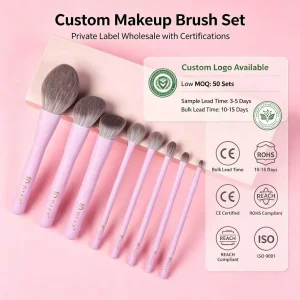
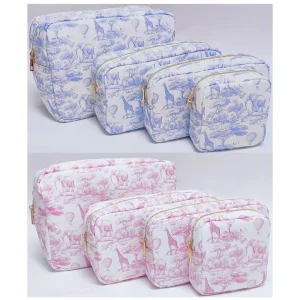
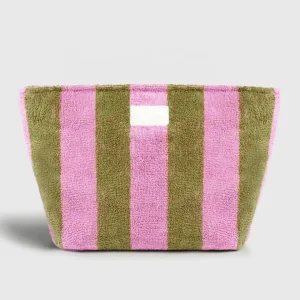
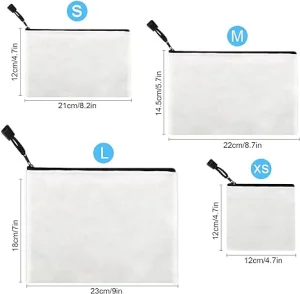
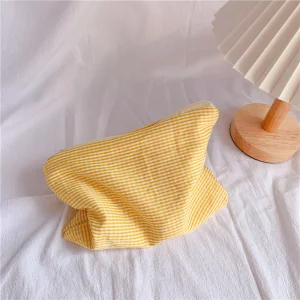
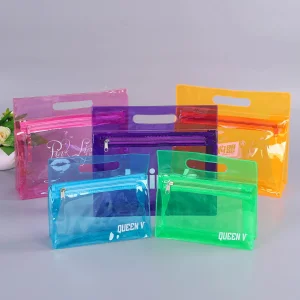
Shenzhen Jaspa Beauty Co., Ltd. is a professional China Makeup Bag Manufacturer specializing in the design, development, and production of high-quality cosmetic bags, beauty organizers, and travel storage solutions for global beauty brands, retailers, wholesalers, distributors, and private label businesses. With extensive experience in the beauty accessories industry, we are dedicated to delivering functional, stylish, and durable products that meet the evolving needs of modern consumers.
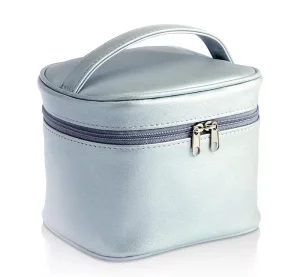
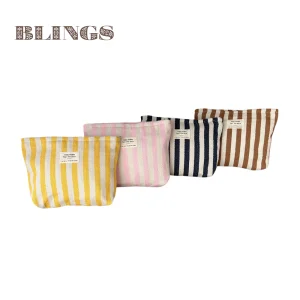
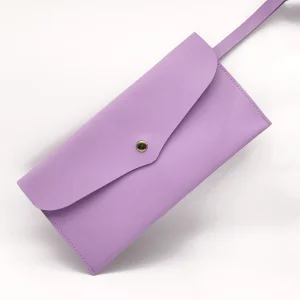
Our product portfolio includes makeup bags, cosmetic organizers, travel beauty bags, toiletry bags, vanity bags, portable cosmetic cases, beauty storage solutions, waterproof cosmetic bags, hanging organizers, and customized beauty accessory products. Designed with practicality, organization, and aesthetics in mind, our products help users conveniently store, protect, and carry their beauty essentials for everyday use and travel.
At Shenzhen Jaspa Beauty Co., Ltd., we provide comprehensive OEM and ODM services to support customers in building successful beauty accessory brands. From product design and material selection to logo customization, packaging development, and large-scale production, our experienced team offers complete manufacturing solutions tailored to specific market requirements and branding strategies.
Quality is the foundation of our business. We utilize premium materials, advanced production equipment, and strict quality control systems to ensure every product meets high standards of durability, functionality, and appearance. Our design and development teams continuously explore emerging fashion trends, innovative storage concepts, and consumer preferences to create competitive products for international markets.
In addition, we are committed to sustainable manufacturing practices by promoting environmentally responsible materials and efficient production processes that support long-term business growth and environmental stewardship.
Serving customers across North America, Europe, Asia, the Middle East, and other global regions, Shenzhen Jaspa Beauty Co., Ltd. has established a reputation as a trusted partner in the beauty accessories industry.
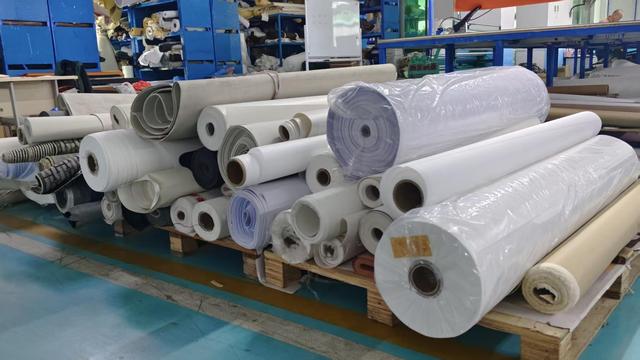
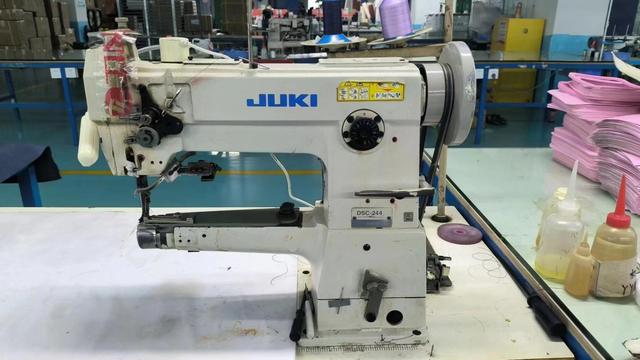
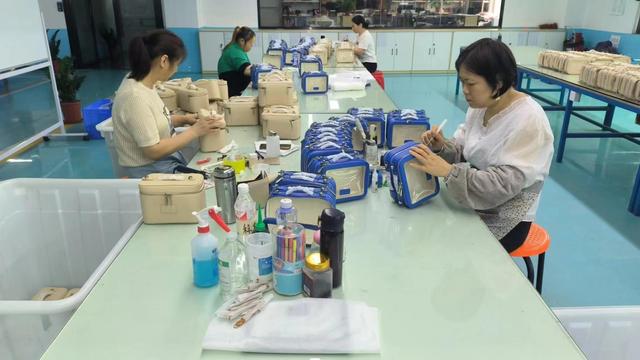
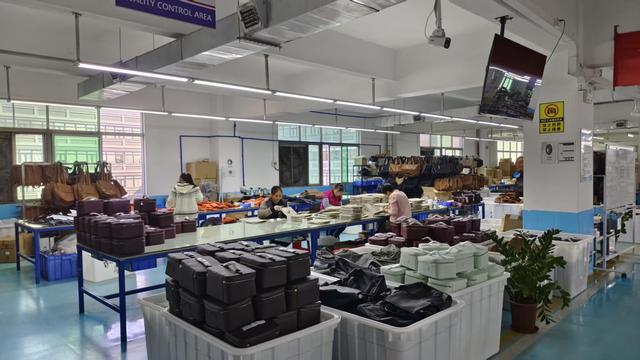
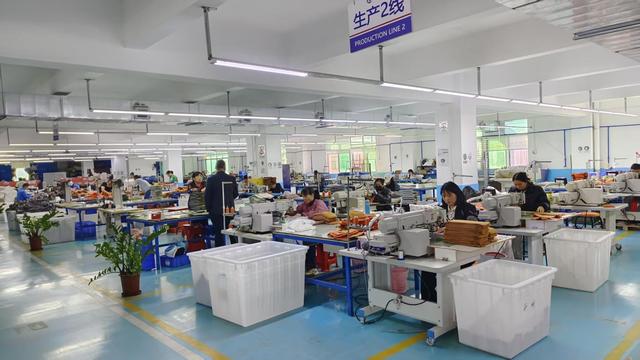
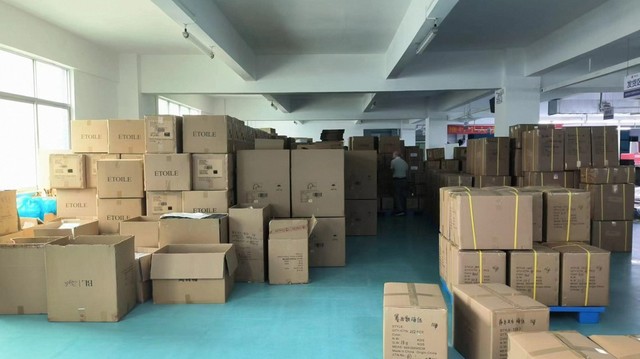
A Visual Demonstration of Advanced Material Engineering, Structural Assembly, and Industrial Precision Logistics




Addressing High-Intent Technical and Logistic Questions from Enterprise Sourcing Directors
 Jaspa Beauty