Understanding how to store makeup products properly is essential for anyone who wants to extend the life of their beauty essentials. According to a survey by the Cosmetic Industry Association, nearly 60% of consumers do not know the correct storage practices for makeup. Improper storage can lead to product degradation, causing bacterial growth and reduced effectiveness.
Many makeup products have a shelf life that can be significantly shortened by exposure to heat, light, and humidity. For instance, liquid foundations typically last about six to twelve months when stored correctly, but can spoil in just a few weeks if left in a warm bathroom. Awareness of these factors is crucial for maintaining both safety and performance.
However, some consumers often overlook product labels that indicate storage instructions. This leads to a common question: Are we truly maximizing the lifespan of our cosmetics? To improve our beauty routines, we need to reflect on our storage habits and explore more reliable strategies for preservation.
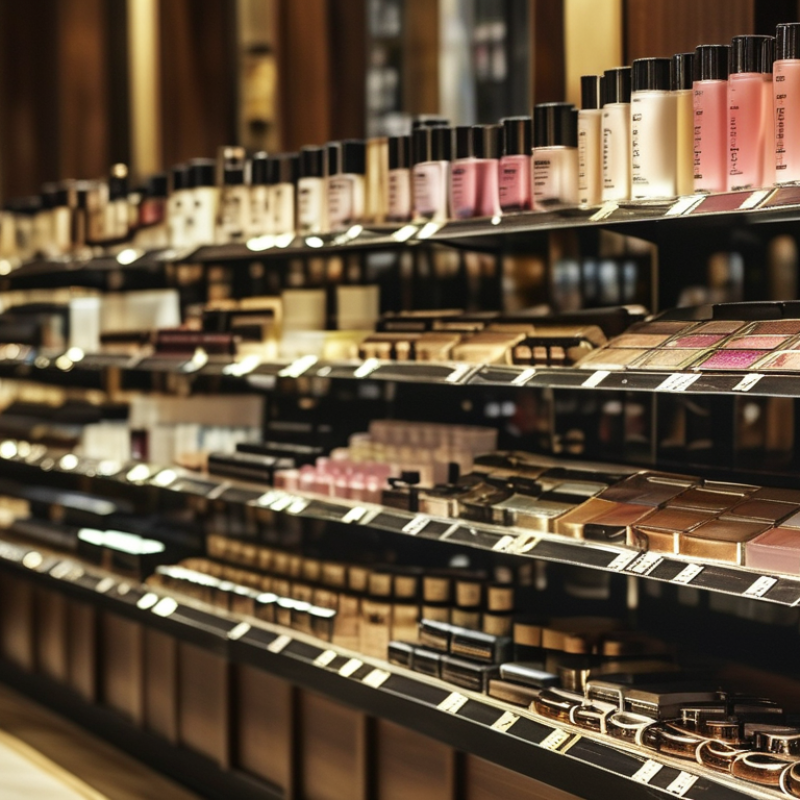
Makeup products have expiration dates, but many people overlook them. This can lead to skin irritation or infections. Each type of cosmetic has a different lifespan. For example, liquid foundation typically lasts about one year. In contrast, powdered products can be used for two to three years. Check the packaging for an indication of how long you can safely use them.
Understanding these dates is key to maintaining healthier skin. The best practice is to label your products with the purchase date. This simple act can help track their longevity. You might think a product is still good because it looks fine. But changes in texture, smell, or color indicate it's time to discard it.
It’s easy to forget about the small details. Brushes and applicators also need attention. Regular cleaning is essential to avoid bacteria buildup. Overlooking these factors creates more risks for your skin. Reflecting on your makeup routine can lead to better habits over time. Don't let expired products linger in your collection.
This bar chart illustrates the expiration periods of various makeup products in months. Proper storage of these items can help prolong their usability and maintain their quality.
To extend the longevity of your makeup products, temperature and humidity play critical roles. The ideal temperature for storing cosmetics is between 15°C and 25°C (59°F to 77°F). Exceeding this range can cause ingredients to break down more quickly, especially in products containing natural oils. High heat can alter the texture of creams and liquids, leading to separation.
Humidity levels should be kept low, ideally below 60%. Excess moisture can foster bacterial growth and spoilage. A bathroom cabinet might not be the best choice for storage due to fluctuating humidity levels from showers. Instead, consider a cool, dry drawer or dedicated makeup case to safeguard your products.
Tips: Inspect your makeup regularly. If you notice any changes in smell or texture, it might be time to discard it. Always keep lids tightly closed to prevent air exposure. Remember, even with perfect storage conditions, products have a shelf life. Keep track of when you purchased each item. Make a habit of this task.
Organizing makeup items is crucial for maintaining their quality. Start by categorizing products into types: face, eyes, lips, and tools. Use transparent containers or drawers. This allows easy access and helps prevent damage. If you can see your items clearly, you’re less likely to forget about them.
Consider the environment where you store your makeup. Avoid places with high humidity or direct sunlight. A cool, dry location is ideal. Storing products in bathroom cabinets might seem practical, but it can lead to quicker deterioration. Regularly check expiration dates and discard any expired products. Be candid with yourself about what you truly use. Holding onto unused items can overcrowd your space.
Reflect on your storage methods periodically. Make adjustments based on seasonal changes or new purchases. A well-organized makeup collection should feel refreshing. Look out for signs of potential waste. If you never reach for a product, ask why. Use this insight to refine your collection. Proper organization goes beyond aesthetics; it’s about enhancing your routine while ensuring product longevity.
Choosing the right containers for makeup storage is essential for maintaining product quality and longevity.
Clear acrylic organizers can be a great choice. They allow you to see all your products at a glance. This visibility helps you avoid using expired makeup, which can irritate your skin.
Moreover, airtight containers prevent moisture exposure, keeping powders and creams fresh for longer.
Consider the size and shape of your products when selecting containers. Some products come in odd shapes, making storage tricky.
Jars may be perfect for larger products, while smaller, compartmentalized boxes work better for things like lipsticks and eyeliners.
Reflect on your makeup usage too. If you tend to forget about items, a container that showcases everything will serve you better.
Ensure your containers are easy to clean. Dust and grime can accumulate over time, affecting the hygiene of your makeup.
While it can be tempting to skip cleaning often, it is crucial. Regularly assess your storage method.
It may not always be perfect, but a little adjustment can make a significant difference in how your products perform.
To maintain your makeup tools and products, cleanliness is essential. Regularly cleaning brushes and sponges prevents bacteria from thriving. Use mild soap and lukewarm water to gently cleanse your tools. Rinse thoroughly and let them air dry. This simple step can prolong the life of your makeup and keep your skin healthy.
Make sure to store your makeup properly. Keep products in a cool, dry place. Avoid exposing them to direct sunlight. This can alter their consistency and effectiveness. Opt for airtight containers for loose powders. Remember, expired products can cause skin irritations. Check expiration dates regularly and dispose of items past their prime.
It’s easy to overlook the importance of maintenance. Many users forget to clean their tools regularly. A dirty sponge or brush can affect application and overall look. Reflect on your routine and identify areas for improvement. Keeping track of your cleaning schedule can help maintain your makeup’s integrity and enhance your application skills.
: Expiration dates prevent skin irritation and infections. Using products past their dates can cause these issues.
Liquid foundation typically lasts about one year. Keeping track helps ensure safe usage.
If you notice changes, it's time to discard the product. Trust your senses.
Store your makeup in a cool, dry place. Avoid humid environments like bathrooms.
Use mild soap and lukewarm water. Rinse thoroughly and let brushes air dry.
Dirty tools can harbor bacteria. This can affect application and cause skin issues.
The ideal temperature is between 15°C and 25°C. Exceeding this can damage products.
Regularly check products' expiration dates and create a cleaning schedule for tools.
Labeling helps track longevity and ensures safe usage of products over time.
Dispose of expired products immediately. They can lead to skin irritation or infections.
To ensure the longevity of your makeup products, it is essential to understand how to store makeup products properly. This includes being aware of expiration dates, as using products past their prime can lead to adverse effects on the skin. Ideal conditions for storage involve maintaining a stable temperature and humidity level, ideally in a cool, dry place away from direct sunlight.
Organization also plays a crucial role; categorizing items and using appropriate containers can help optimize space and accessibility. Finally, regular cleaning and maintenance of makeup tools and products are vital to prevent contamination and ensure their effectiveness. By following these guidelines, you can keep your makeup collection fresh and usable for an extended period.

Jaspa Beauty