Waterproof cosmetic bags are moving from travel accessories into everyday beauty routines. The reason is practical: makeup, skincare, and tools often meet water, oil, lotion, and sudden spills. A sealed pouch can protect products inside a gym locker, beach tote, or crowded bathroom drawer. That explains why are waterproof cosmetic bags becoming popular across different consumer groups.
Packaging consultant Sarah Jindal explains, “Consumers want cosmetic storage that protects their products without adding unnecessary bulk.” Her observation reflects a visible shift in buying habits. Shoppers now compare TPU, silicone, coated canvas, and recycled polyester bags more carefully. Each material offers different strengths. TPU feels flexible and transparent. Silicone cleans quickly. Coated canvas looks refined but may require careful wiping around its seams.
The best designs combine water resistance with useful structure. Strong zippers, welded edges, washable linings, and separate compartments matter more than decoration alone. A clear window can make a small lipstick easy to find. A wide opening can prevent bottles from tipping over. These details improve daily use.
Still, “waterproof” is not always absolute. Some bags resist splashes but cannot survive full immersion. That difference deserves attention. Buyers should check seam construction, closure quality, and care instructions before choosing a product. Personal experience also matters. A frequent traveler may need a leak-resistant case, while a home user may value easy cleaning and appearance.
This guide explores the top types of waterproof cosmetic bags, their practical advantages, and the reasons behind their growing popularity.
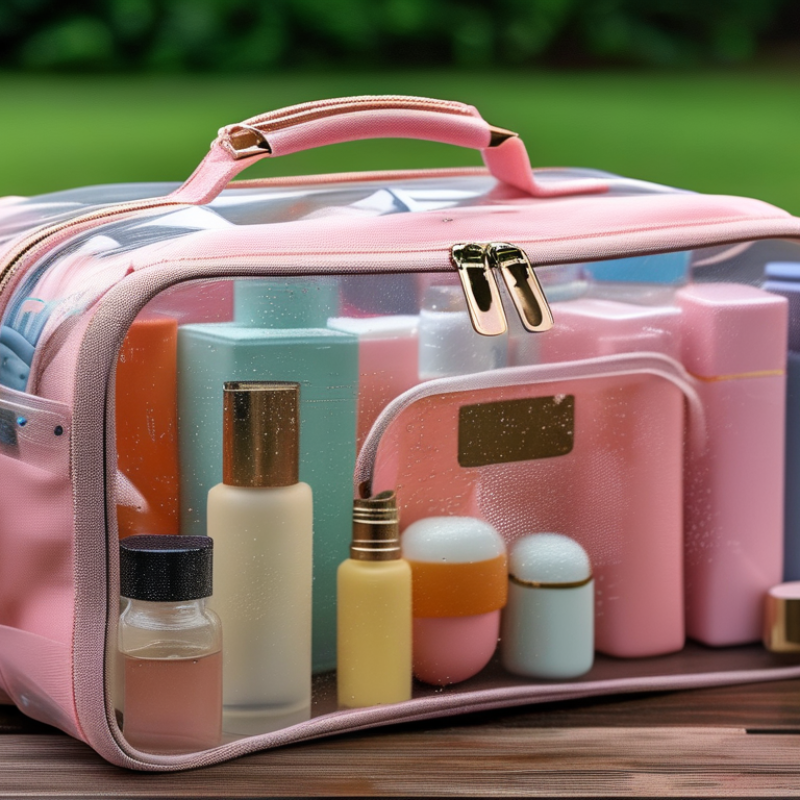
Waterproof cosmetic bags are becoming practical travel tools, not merely attractive accessories. Grand View Research valued the global cosmetics packaging market at about $32.43 billion in 2022, with projected growth through 2030. That expansion reflects rising attention to hygiene, portability, and product protection. It does not prove every cosmetic bag is waterproof. Labels can exaggerate.
Pouches suit daily routines and short trips. Their flexible TPU or coated-nylon walls fit inside crowded luggage, while sealed seams help contain small leaks. Choose a pouch with a wide opening and a reliable zipper. Test it with a damp tissue before trusting it near clothing. It feels practical. However, soft materials can crease, stain, and lose structure over time.
Hanging cases work better in shared bathrooms. A hook keeps brushes and bottles above wet counters, and several compartments improve visibility. The design saves space, but overloaded pockets can pull against the stitching. Hard-shell organizers provide stronger protection for pressed powders, glass bottles, and delicate tools. Their rigid EVA or polycarbonate bodies resist crushing, though they occupy more room. Future Market Insights’ travel bags analysis reports continued market growth, with organization and durability among key purchasing factors. In my experience, the best choice depends less on appearance than on trip length, product quantity, and cleaning habits. No format is perfect. A truly useful bag should dry quickly, close securely, and remain easy to inspect.
| Cosmetic Bag Type | Typical Construction | Common Size Range | Water-Resistance Features | Organization Level | Typical Capacity | Best Use | Key Advantages | Common Limitations | Why It Is Popular |
|---|---|---|---|---|---|---|---|---|---|
| Waterproof Pouch | Flexible fabric or coated synthetic material with a zippered top | Approximately 18–28 cm wide, 10–18 cm high, and 5–10 cm deep | Coated exterior, water-resistant lining, and a covered or sealed zipper design | Basic | Small to medium; suitable for daily essentials | Handbags, gym bags, short trips, and everyday makeup storage | Lightweight, compact, easy to store, and usually affordable | Limited visibility and fewer compartments; soft sides offer less protection | Its simple shape fits easily into other bags and works for a wide range of personal-care items |
| Flat Cosmetic Pouch | Low-profile soft case made from coated textile, TPU, or similar flexible material | Approximately 20–30 cm wide, 12–20 cm high, and 2–5 cm deep | Water-resistant surface and wipe-clean interior; protection depends on zipper construction | Basic | Small; best for brushes, palettes, or a limited number of products | Minimalist packing, handbags, travel documents, and small beauty kits | Uses very little space, remains lightweight, and can be packed under clothing | Cannot hold many tall or bulky bottles and provides little impact protection | Its slim profile is convenient for organized packing when space is limited |
| Transparent Waterproof Pouch | Clear PVC or TPU panels with a zipper or zip-seal closure | Approximately 18–30 cm wide, 12–22 cm high, and 5–10 cm deep | Water-resistant clear panels and a closure that helps contain spills | Basic to Moderate | Small to medium; suitable for visible daily-use products | Air travel, shared bathrooms, poolside storage, and quick product identification | Contents are visible at a glance and the smooth surface is easy to clean | Clear materials may show scratches or discoloration over time and provide limited structure | Visibility reduces searching time and makes liquid items easier to identify |
| Waterproof Hanging Case | Soft rectangular case with a built-in hook, internal pockets, and zippered sections | Approximately 22–30 cm wide, 18–28 cm high, and 8–12 cm deep when closed | Water-resistant outer fabric, wipe-clean lining, and protected compartment openings | High | Medium to large; accommodates toiletries, brushes, and bottles | Hotels, camping, dormitories, cruises, and bathrooms with limited counter space | Hangs at eye level, keeps products accessible, and separates items into compartments | Usually heavier and bulkier than a basic pouch; the hook needs a suitable place to hang | It turns small bathroom areas into practical vertical storage and keeps products off wet surfaces |
| Multi-Compartment Travel Case | Structured soft case with dividers, elastic loops, mesh pockets, and a broad opening | Approximately 24–32 cm wide, 18–25 cm high, and 10–15 cm deep | Water-resistant fabric or lining with spill-resistant internal sections | High | Medium to large; suitable for complete beauty and personal-care routines | Extended travel, professional kits, and users carrying several product categories | Separates products efficiently and helps prevent bottles, brushes, and cosmetics from mixing | More difficult to compress and may occupy considerable luggage space when full | Dedicated compartments improve packing efficiency and make products easier to find |
| Hard-Shell Organizer | Rigid molded exterior with a hinged or zippered opening and padded interior sections | Approximately 20–30 cm wide, 15–23 cm high, and 8–14 cm deep | Hard exterior resists splashes; water protection depends on the seam and closure design | Moderate to High | Medium; suitable for palettes, compacts, bottles, and delicate tools | Frequent travel, checked luggage, and storage of fragile cosmetics | Protects contents from crushing, keeps its shape, and is easy to wipe clean | Less flexible than fabric cases and can be heavier or take up more fixed space | Its rigid structure offers better protection for fragile items during transport |
| Brush and Tool Case | Long, narrow case with individual brush slots, a flap, or a roll-up design | Approximately 20–30 cm long and 8–15 cm wide when closed | Water-resistant exterior and washable lining; brush protection varies by design | High for Tools | Small; designed mainly for brushes, applicators, tweezers, and slim tools | Makeup artists, frequent travelers, and users who want to protect brush bristles | Keeps tools separated, reduces contact with cosmetics, and supports hygienic storage | Not suitable for storing many bottles, palettes, or bulky cosmetic containers | Specialized slots prevent tools from becoming tangled, bent, or contaminated by loose products |
re waterproof cosmetic bags fully waterproof?
A sealed, flat pouch fits neatly inside luggage. Clear sections help you find products quickly. It can also contain small shampoo or foundation leaks.
Choose a compact hanging bag with a wipe-clean lining. It can separate cleanser, deodorant, hair ties, and damp items. Keep wet clothing outside when possible.
Use a roll-top or double-layer pouch. It helps block splashes, sand, and sunscreen residue. Do not overfill it. Pressure may weaken the closure.
Measure tall bottles before purchasing. Choose space for your daily products, not an imagined collection. A narrow opening can waste capacity.
Coated fabric, sealed seams, and covered zippers offer better protection. A damp-cloth test can reveal weak areas. Still, it is not a laboratory test.
Select a smooth, wipeable interior. Clean foundation stains and residue regularly. Let the lining dry completely before closing the bag. I once ignored this step. Odors appeared sooner than expected.
Rigid cases keep products upright and organized. They also take more storage space. Soft bags save room but may collapse. Small items can disappear inside.
No. Inspect stitching, zipper strength, lining, and handle construction. A moderately priced case may last longer with frequent use. High cost alone proves little.
Waterproof cosmetic bags are becoming a practical essential for travelers, gym users, beachgoers, and anyone seeking better home organization. The main types include compact pouches, hanging cases, and structured hard-shell organizers, each offering different levels of portability, visibility, and protection. Their popularity is closely connected to the question, “why are waterproof cosmetic bags becoming popular?” The answer lies in their ability to protect cosmetics and toiletries from water, spills, dust, and humidity while keeping items neatly arranged.
Materials such as TPU, PVC, and silicone provide water resistance, while sealed seams and reliable zippers help prevent leaks. As the beauty industry is projected to reach $590 billion by 2028, demand for functional storage products is also expected to grow. When choosing a bag, shoppers should compare capacity, water resistance, durability, hygiene, ease of cleaning, organization features, and price to find the best option for their daily routines.

 Jaspa Beauty