2026 How to Start a Private Label Beauty Accessory Brand?

Time:2026-10-27 Author:Ethan
0%

Launching a beauty accessory brand in 2026 requires more than attractive packaging and a factory quotation. Consumers now inspect materials, safety claims, durability, and brand responsibility. This guide explains how to start a private label beauty accessory brand with practical, evidence-based decisions. Brushes, cosmetic bags, mirrors, rollers, and applicators may look simple, yet each product needs clear specifications, reliable testing, and consistent quality control.

Market conditions remain promising. McKinsey’s The Beauty Market in 2025 report estimates that the global beauty market could approach $590 billion by 2030, with continued growth across online and specialty channels. NIQ’s 2024 State of Beauty report also recorded global beauty sales growth of approximately 7%, showing strong demand despite cautious consumer spending. These figures do not guarantee success. They suggest opportunity, not permission to skip research.

A credible private label process begins with one useful product and a defined customer problem. For example, a washable travel brush case should protect bristles, dry quickly, and fit inside a carry-on pocket. That detail matters. Supplier audits, material declarations, sample testing, packaging checks, and documented production approvals help reduce avoidable risks. Regional labeling and product-safety requirements must also be reviewed before selling.

Experience teaches an uncomfortable lesson: a popular trend can still produce weak repeat purchases. I would rather test 300 units than overstock 3,000. This approach may feel slower, but it creates measurable feedback. The following sections connect market data, product development, supplier selection, branding, pricing, and responsible growth for founders building a trustworthy beauty accessory business.
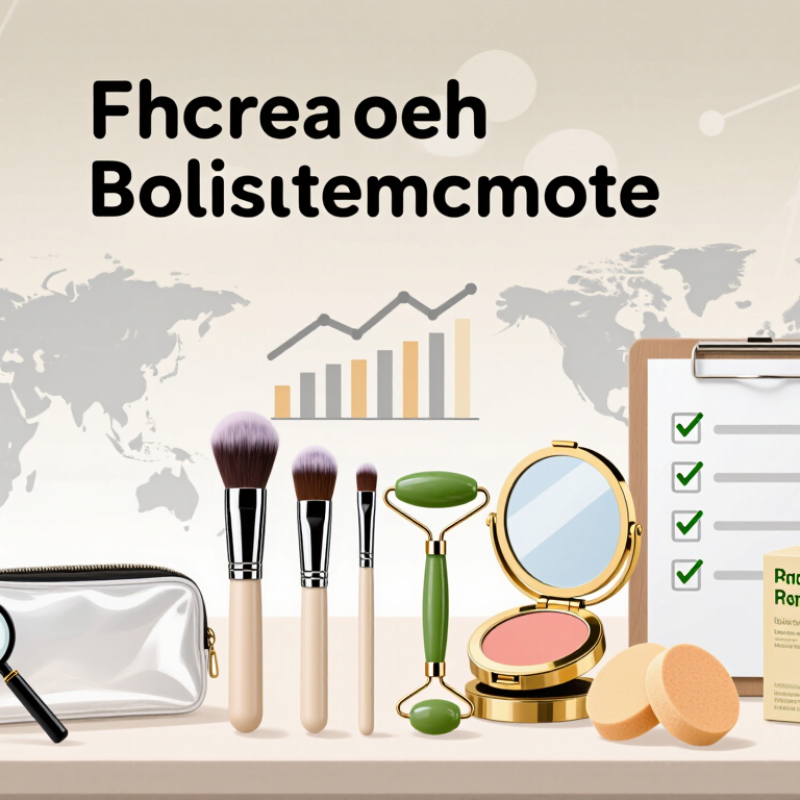
2026 How to Start a Private Label Beauty Accessory Brand?

Define the Beauty Accessory Brand Concept and Target Customer

A private label beauty accessory brand should begin with a specific user problem, not a vague promise of beauty.

McKinsey’s The Beauty Market in 2023 report projects the global beauty market to approach 580 billion dollars by 2027. This growth creates opportunity, but crowded shelves punish unclear concepts.

Choose one practical territory, such as gentle facial tools for sensitive skin or compact organizers for frequent travelers. Make the concept visible through materials, colors, packaging, and daily use.

Define the customer with evidence.

NIQ’s State of Beauty 2024 report recorded 7.3% global beauty sales growth in the year ending February 2024. However, growth does not mean every buyer wants premium accessories.

Interview at least 15 potential customers. Observe their bathroom drawers, travel bags, and cleaning habits. Ask what they replace, what breaks, and what feels wasteful.

A customer profile should include age, routine, budget, skin concerns, purchase channel, and frustration. “Beauty lovers” is not specific enough.

My first concept might target too many people. That is a warning.

A better profile could be a 28-year-old urban professional who wants a hygienic, space-saving facial tool under 35 dollars. Test the idea with a simple prototype before ordering inventory.

Measure repeated interest, not polite compliments. The Global Wellness Institute reported that wellness reached 6.3 trillion dollars in 2023, but wellness language can become empty quickly.

Explain the real benefit: easier storage, cleaner handling, or faster routines. Cite product-safety guidance and test material durability before launch.

Research Market Demand, Competitors, and Product Opportunities

2026 How to Start a Private Label Beauty Accessory Brand?

Market research should begin with a small, specific problem. For example, shoppers may need hygienic makeup tools for travel, compact storage, or easier daily application. McKinsey’s The Beauty Market in 2023 projected the global beauty industry could approach $590 billion by 2028, with online channels continuing to gain importance. This suggests opportunity, but broad growth does not guarantee demand for one accessory.

Study search behavior, reviews, and retail pricing before choosing a product. Grand View Research reported strong expansion in the global beauty devices market, supported by home-use routines and personal care technology. That trend may support reusable applicators, cleansing tools, or heat-free styling accessories.

However, “popular” is not enough. Check repeat-purchase potential, material safety, cleaning instructions, packaging size, and shipping damage. Small details matter.

Compare at least ten competing listings without copying their designs. Record prices, customer complaints, delivery promises, colors, and product photography. I once assumed a lower price would win; that was too simple. Customers often pay more for clearer instructions and better hygiene design.

Circana’s 2024 US beauty reporting also showed continued strength in prestige and online purchasing, but channel data can hide differences between regions. Test two or three prototypes with real users, then measure defect rates and return reasons.

Your first product may fail. That is useful evidence, not a final judgment.

Select Products, Suppliers, Materials, and Private Label Options

2026 How to Start a Private Label Beauty Accessory Brand?

Choosing the right products is the foundation of a private label beauty accessory brand. Start with practical items such as makeup brushes, facial rollers, cosmetic bags, hair tools, or reusable applicators. Study customer routines before ordering large quantities. A beautiful product may still fail if it feels uncomfortable or breaks quickly. Request samples from several suppliers and test them repeatedly. Check the handle grip, bristle softness, stitching, closures, and cleaning performance. Small defects become expensive complaints.

Supplier selection requires more than comparing prices. Ask about production capacity, sample timelines, material sources, quality inspections, and minimum order quantities. Reliable suppliers should provide clear specifications and consistent communication. Materials also influence customer trust. Consider synthetic fibers, stainless steel, silicone, cotton, recycled fabrics, or responsibly sourced wood, depending on the product. Confirm that materials are suitable for intended contact and packaging claims are accurate. Private label options may include custom colors, engraved logos, packaging design, inserts, and bundled sets. However, excessive customization can delay production. I learned that attractive packaging cannot repair a weak product.

Tips: Create a written product specification sheet. Include measurements, colors, materials, tolerances, packaging details, and inspection points. Test samples in real routines, not only on a showroom table. Keep a backup supplier. It may feel unnecessary, but supply problems happen. Review every claim carefully, follow applicable safety requirements, and avoid promises your testing cannot support.

Develop Branding, Packaging, Pricing, and Quality Standards

Starting a private label beauty accessory brand in 2026 requires more than attractive products. Branding should show a clear user benefit, such as cleaner storage, faster application, or gentler skin contact. McKinsey’s 2023 beauty market report forecasts the global beauty sector could reach about $580 billion by 2027. That growth creates opportunity, but also sharper competition. A simple brand promise may work better than a crowded visual identity.

Packaging must protect the accessory, explain usage, and control waste. Smithers forecasts the global sustainable packaging market will exceed $390 billion by 2028. Consider recycled cartons, compact inserts, and packaging that survives warehouse handling. Pricing should include product cost, inspection, freight, returns, and marketplace fees. A 60% gross margin target may look attractive, yet hidden replacement costs can damage cash flow. I would test two price points with small batches before committing. Assumptions often fail.

Tips: Create a written quality standard before production. Specify material composition, dimensions, color tolerance, odor limits, stitching strength, and packaging checks. Use sampling inspections and photograph every approved reference sample. NielsenIQ research has repeatedly shown that consumers value product performance and trust signals, not only low prices. Ask testers to record grip comfort, cleaning time, and damage after repeated use. Some feedback will be uncomfortable. Keep it.

Build Sales Channels, Launch Operations, and Brand Growth Plans

2026 How to Start a Private Label Beauty Accessory Brand?

Build Sales Channels, Launch Operations, and Brand Growth Plans

A private label beauty accessory brand needs a clear sales channel before production begins. Start with one primary channel, such as a focused online store or selected retail partners. Test product pages with real users. Watch clicks, add-to-cart rates, and customer questions. These details reveal whether shoppers understand the product’s purpose.

Launch operations should be simple enough to control. Confirm supplier specifications, material quality, packaging dimensions, and inspection standards in writing. Keep product samples from every approved batch. Create a stock sheet covering purchase orders, delivery dates, defect rates, and reorder points. Labeling and product claims must remain accurate and suitable for the target market. Avoid promising results that testing cannot support.

Growth requires more than paid traffic. Publish short demonstrations showing texture, size, cleaning steps, and daily use. Invite verified customers to share practical feedback, including criticism. That evidence can improve future designs. A small test launch is safer than a large first order. My early forecast might be too optimistic, especially when seasonal demand changes. Review sales weekly and adjust quantities slowly. Build email follow-ups for replenishment and related accessories. Track returns carefully. A high return rate may signal unclear instructions, weak packaging, or a product problem rather than poor advertising.

2026 Private Label Beauty Accessory Brand Launch Plan

Illustrative launch-year channel allocation based on a balanced omnichannel operating model. Direct-to-consumer and marketplaces support faster testing, while social commerce and wholesale expand reach and long-term growth.

The percentages represent a planning benchmark for channel contribution during the first operating year and should be adjusted using actual sales, customer acquisition cost, conversion rate, and repeat-purchase data.

FAQS

What should I research before choosing a beauty accessory?

Start with one small problem, such as travel hygiene or compact storage. Study searches, reviews, prices, and repeat-purchase potential.

How many competing products should I compare?

Compare at least ten listings. Record prices, complaints, delivery promises, colors, photos, and noticeable design differences.

Should the lowest price be my main advantage?

Not always. Customers may pay more for clear instructions, safer materials, and better hygiene design. My first assumption was too simple.

How can I test a product idea before production?

Create two or three prototypes and let real users test them. Measure defects, cleaning time, comfort, and return reasons.

What details belong in a quality standard?

Include material composition, dimensions, color tolerance, odor limits, stitching strength, and packaging checks. Write these requirements before production.

What should packaging accomplish?

It should protect the accessory, explain usage, and reduce unnecessary waste. Compact inserts and sturdy cartons can help during shipping.

How should I set a selling price?

Include product cost, inspection, freight, returns, and marketplace fees. Test two price points with small batches before making larger commitments.

What user feedback matters most?

Ask about grip comfort, cleaning time, skin contact, and repeated-use damage. Uncomfortable feedback is useful evidence.

Can market growth guarantee product success?

No. A growing beauty market does not prove demand for one accessory. Regional behavior and channel data may differ.

What if the first product fails?

Treat failure as evidence, not a final judgment. Review defects and returns, then improve the product carefully. It may still need major changes.

Conclusion

Starting a beauty accessory brand in 2026 begins with a clear concept and a well-defined target customer. This guide explains how to start a private label beauty accessory brand by identifying customer preferences, studying market demand, evaluating competitors, and discovering product opportunities with realistic growth potential. A focused brand direction helps you choose suitable accessories, materials, suppliers, and private label services while balancing design, functionality, consistency, and production reliability.

The article also covers how to develop a recognizable brand identity, practical packaging, competitive pricing, and clear quality standards. Before launch, entrepreneurs can prepare sales channels, inventory plans, customer service processes, and promotional activities that match their target audience. With careful testing, organized operations, and ongoing analysis of customer feedback and sales performance, a beauty accessory brand can improve its product range, strengthen customer trust, and build sustainable long-term growth.

Ethan

Ethan

Ethan is a seasoned marketing professional with a deep expertise in our company's innovative product line. With a passion for sharing knowledge and insights, he takes the lead in regularly updating our corporate blog, where he explores industry trends, product features, and effective marketing......