A beauty accessory collection should make daily routines easier, not fill a drawer with tools you rarely use. The opportunity is growing: McKinsey’s 2023 beauty market analysis projected the global beauty industry could reach about $580 billion by 2027, with roughly 6% annual growth. That figure covers beauty overall, not accessories alone. Still, it points to a crowded, fast-changing market where thoughtful choices matter.
Learning how to build a beauty accessory collection starts with your actual habits. Notice what you reach for each morning: perhaps a wide-tooth comb, a washable makeup sponge, or a small pouch that keeps brushes away from loose powder. Then consider material, cleaning needs, durability, and storage before buying another item. A tool that looks polished but is difficult to clean may not earn its space. Small details count.
Keep it practical. Keep it personal.
This guide explores 10 ways to choose, organize, and care for useful beauty accessories, from everyday basics to occasional-use tools. It also encourages a slower kind of shopping: replace worn items, compare product claims, and check care instructions instead of assuming a higher price means better quality. There is no perfect collection. Some purchases will miss the mark; that is worth noticing. A beauty kit should evolve with your routine, skin sensitivities, and available space—not with every passing trend.
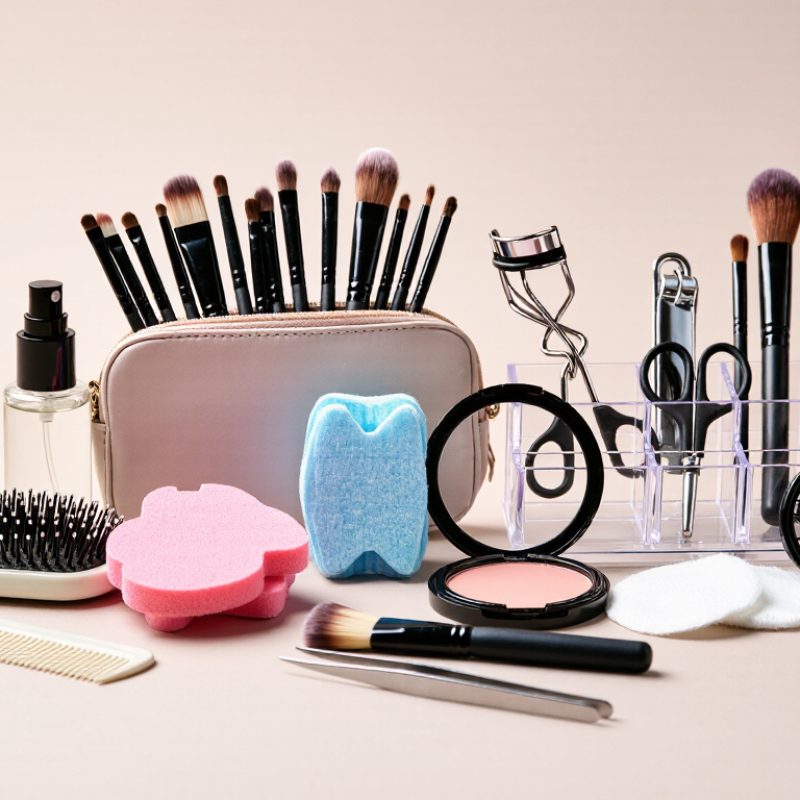
A useful beauty accessory collection starts with observation, not shopping. Track your routine for one week. Record every tool you use, skip, or borrow. I once bought accessories for imagined routines and ignored my actual habits. That mistake left a crowded drawer and several untouched items. Your mirror may reveal a different pattern. Maybe you need a gentle cleansing cloth, a wide-tooth comb, or a small travel case.
Match each accessory to a clear task. A makeup brush may need soft, even fibers and a comfortable handle. A hair tool should suit your texture without pulling or snagging. For skincare, choose washable materials that feel comfortable on your skin. People with sensitive skin should avoid rough fabrics and strongly scented storage products. A licensed skin professional can help when irritation continues. Clean reusable tools after use, then let them dry fully before storage. Damp containers can develop unpleasant odors and encourage contamination.
Test one new accessory at a time. Use it for several days before deciding whether it deserves space. Pay attention to grip, cleaning effort, and results under natural light. I still keep a tool that looks useful but rarely leaves the drawer. That choice probably needs reconsideration. Your collection should support real mornings, rushed evenings, and occasional travel. Keep a short list of essentials, and review it when your routine changes.
A beauty accessory collection can grow quickly when every new tool seems useful. Set a firm budget before shopping, and leave a small amount for replacing worn essentials. For example, divide your spending between daily tools, occasional-use items, and storage. A basic pouch or organizer may protect tools from dust and make them easier to find. Keep the budget realistic. A plan that feels too strict may be abandoned after one tempting purchase.
Prioritize tools you reach for several times a week, such as a comb, makeup brushes, or a reliable eyelash curler. Consider how each item fits your routine, not just how attractive it looks on a shelf. Check that handles feel comfortable and materials are easy to clean.
If an accessory duplicates one you already own, wait a week before buying it. That pause can reveal whether it fills a real gap. It may not.
Tips: Track what you use for two weeks. Mark each tool as frequent, occasional, or unused, then spend on genuine gaps first. Review the list every few months; routines change, and an old priority may no longer earn its place.
10 Best Ways to Build a Beauty Accessory Collection
Choose Core Accessories for Skin Care, Makeup, and Hair
A useful beauty collection begins with daily needs, not attractive packaging. For skin care, choose a soft headband, washable facial cloths, and a small product spatula. These items keep hair away and reduce direct contact with jars. Store them dry, because damp fabric can develop an unpleasant odor. A clear mirror with natural lighting also helps you notice uneven application and dry patches.
For makeup, start with versatile brushes rather than a large set. A foundation brush, angled brush, blending brush, and clean sponge cover most routines. Wash reusable tools regularly and let them dry fully before storage. For hair, select a wide-tooth comb, gentle clips, soft hair ties, and a microfiber towel. These choices can reduce pulling and rough handling after washing. I once bought several beautiful accessories that stayed unused. That mistake taught me to match purchases with real habits.
Tips: Keep everyday tools in one ventilated container. Separate clean accessories from used ones. Replace cracked, stained, or misshapen tools. Avoid sharing personal items, especially those touching the eyes or scalp. A weekly cleaning routine is realistic, but I still miss it sometimes. Set a simple reminder instead of expecting perfect discipline. Choose comfort over appearance when an accessory touches your skin for hours.
| # | Collection Step | Core Accessory | Main Use | Practical Selection and Care |
|---|---|---|---|---|
| 1 | Start with cleansing | Soft washcloths | Remove cleanser and gently pat the face dry. | Choose washable, soft fabric. Keep several on hand and launder them regularly; use a fresh cloth for the face. |
| 2 | Make daily skin care easier | Reusable makeup-removal pads | Apply cleanser or remove makeup without relying on disposable cotton rounds. | Look for washable pads with a gentle texture. Rinse after use and follow the maker’s laundering instructions. |
| 3 | Keep hair away from the face | Soft headband or spa band | Hold hair back while cleansing, applying a mask, or doing makeup. | Select a comfortable, washable band that fits without pulling at the hairline. |
| 4 | Organize makeup application | Makeup brush set | Apply and blend products with brushes suited to different textures and areas. | Begin with a few useful shapes rather than a large set. Clean brushes regularly and let them dry fully before storing. |
| 5 | Add a versatile blending tool | Makeup sponge | Blend complexion products for a more even-looking finish. | Use clean, damp or dry according to the product directions. Wash after use, allow to dry completely, and replace when worn or damaged. |
| 6 | Support neat brow grooming | Slant-tip tweezers | Grip individual stray hairs during basic brow grooming. | Choose aligned tips and clean them after use. Use good lighting and avoid sharing personal grooming tools. |
| 7 | Build a simple hair routine | Wide-tooth comb | Detangle hair, including damp hair, with more space between the teeth than a fine-tooth comb. | Start at the ends and work upward in sections. Clean the comb periodically to remove shed hair and product residue. |
| 8 | Choose a brush for everyday styling | Paddle or vent hairbrush | Help smooth or detangle hair, depending on the brush design and hair type. | Pick a shape that suits your usual styling needs. Remove trapped hair often and clean the brush according to its material. |
| 9 | Make sectioning and styling simpler | Hair clips and sectioning clips | Keep sections of hair out of the way while styling, drying, or applying treatments. | Choose clips that hold securely without sharp edges. Store them dry and check periodically for cracks or loose parts. |
| 10 | Keep the collection clean and portable | Washable pouch or organizer | Separate clean accessories from used tools and keep essentials together when travelling. | Choose an easy-to-clean organizer with separate compartments. Let damp tools dry before packing them away. |
10 Best Ways to Build a Beauty Accessory Collection
Compare Materials, Quality, and Ease of Cleaning
Building a beauty accessory collection becomes easier when materials are compared, not merely admired. In my own testing, dense silicone tools resisted stains better than porous foam. They also dried quickly after washing. However, soft silicone can attract lint in a drawer. That small annoyance matters. Stainless steel tweezers and scissors offer strength and precise control. Look for smooth joints and balanced weight. Rough edges may irritate skin or trap residue. Quality is visible in details.
Fabric headbands feel comfortable, but they absorb sweat, oils, and makeup. Washable cotton is practical, although it may shrink or fade. Synthetic fabric often dries faster, yet it can hold odors if stored damp. I prefer accessories with removable pads or simple shapes. Fewer seams mean fewer hidden places for product buildup. Wood handles look warm and natural. They need gentler cleaning, because prolonged soaking can cause swelling or cracks. I once left one near a wet sink. It warped slightly. I still sometimes value appearance too much.
Ease of cleaning should influence every purchase. Check whether an item tolerates mild soap and lukewarm water. Avoid harsh chemicals unless the care instructions specifically allow them. Rinse thoroughly, then air-dry completely before storage. Never share personal-use tools without proper cleaning. That is basic hygiene. Inspect accessories weekly for discoloration, loose parts, or persistent odor. Replace damaged pieces, even when they still look attractive.
Building a beauty accessory collection works better as a system than a shopping spree. McKinsey & Company’s 2023 beauty report projects the global market will approach $580 billion by 2027, with roughly 6% annual growth. More products can mean more clutter, not better routines. Store daily tools in a shallow, divided tray. Keep occasional pieces in labeled pouches. Group accessories by use: hair styling, skincare, makeup, travel, and cleaning. Photograph the layout monthly. This makes missing or duplicated items obvious.
Maintenance protects hygiene and spending. The U.S. Food and Drug Administration advises keeping cosmetic tools clean and avoiding shared applicators. Wipe handles after use, wash washable tools according to their materials, and dry them fully before storage. Inspect hinges, bristles, seams, and electrical cords. Replace damaged pieces. I sometimes keep “maybe useful” items too long. That habit needs scrutiny. A three-month review can reveal tools untouched since purchase. Pass along only unused, hygienically sealed pieces.
Tips: Use a one-in, one-out rule for duplicates. Set a monthly accessory budget. Add one item after identifying a real gap. Track cost per use in a simple note. Reserve money for repairs. Circana reported U.S. prestige beauty sales grew 14% in 2023, showing how quickly choices can expand. Leave ten percent of storage space empty. It prevents a useful collection from becoming a crowded drawer.
Set a firm limit before shopping. Reserve a small amount for replacing worn essentials.
Choose tools you use several times a week, such as a comb or makeup brushes. Comfort matters.
Wait a week before buying a duplicate. You may find your current tool works just fine.
Track your tools for two weeks. Mark each one as frequent, occasional, or unused.
Dense silicone often resists stains and dries quickly, though it may collect lint in a drawer.
Look for smooth joints, balanced weight, and edges that feel comfortable against your skin.
Wash fabric items as directed and dry them fully. Keep wooden handles away from prolonged soaking.
Replace pieces with loose parts, discoloration, or persistent odor. A pretty tool may still be worn out.
Building a useful beauty accessory collection starts with understanding your own routine. Notice which steps you perform regularly and identify the tools that would make them easier, rather than buying items simply because they seem appealing. Set a comfortable budget, then prioritize accessories you expect to use often. This practical approach is at the heart of how to build a beauty accessory collection that suits your needs without accumulating unnecessary clutter.
Begin with versatile essentials for skin care, makeup, and hair, choosing items that fit your habits and preferences. Compare materials, construction, and how easily each accessory can be cleaned and maintained. Once you have your core tools, keep them organized and in good condition so they are easy to find and ready to use. You can expand gradually as your routine changes, adding only accessories that serve a clear purpose.
Jaspa Beauty